Welcome to the Summer 2007 at The Little Muddy Farm
I hope you enjoy this video. I made in 2007. It was the first year of farming. In 2004 I bought an old 70 acre soybean field and re-established it as a Farm with a farm number. It has become known as the The Little Muddy Farm because on the North End of it is the Little Muddy Creek which flows from Jamesport to Sedalia, Missouri. As 2010 begins I continue the vision of this farm becoming a Century Farm based on all natural, sustainable and organic methods which will leave a legacy for future generations.
Wednesday, December 30, 2009

Monday, December 28, 2009

Disinfectants train bacteria to become resistant to antibiotics
From Alcuin Bramerton
Bacteria can become inured to disinfectants, but research is indicating that the same process may make them resistant to certain drugs. This can occur even with an antibiotic the bacteria have not been exposed to. A National University of Ireland team in Galway has found that by adding increasing amounts of disinfectant to cultures of Pseudomonas aeruginosa in the lab, the bacteria learnt to resist not only the disinfectant but also ciprofloxacin - a commonly-prescribed antibiotic - even without being exposed to it.
The bacteria had adapted to pump out antimicrobial agents - be they a disinfectant or an antibiotic - from their cells. The adapted bacteria also had a mutation in their DNA that allowed them to resist ciprofloxacin-type antibiotics specifically.
Pseudomonas aeruginosa is a bacterium most likely to infect those who are already seriously ill. It can cause a wide range of infections, particularly among those with weak immune systems such as HIV or cancer patients, as well as people with severe burns, diabetes or cystic fibrosis. Surface disinfectants are used to prevent its spread - but if the bacteria manage to survive and go on to infect patients, antibiotics are used to treat them.
Earlier in 2009 it emerged that treatments in hospitals in Brazil had been compromised by a bacterium, Mycobacterium massiliense, which had developed resistance to a common sterilisation fluid and a number of antibiotics used to treat the subsequent infections. This was very significant because it was the first incident related to resistance to a biocide which led to clinical failure.
Research was also published in 2009 which showed that the disinfecting wipes used to protect against MRSA in hospitals could in fact spread the bug. The solution contained in the wipes was often not sufficient to kill all the bacteria picked up, and hospital staff often used the same wipe to clean more than one surface.
Monday, December 21, 2009
Potatoes and algae may replace oil in plastics
Frederic Scheer is biding his time, convinced that by 2013 the price of oil will be so high that his bio-plastics, made from vegetables and plants, will be highly marketable.

Drying tapioca near a Shell gas flare in Nigeria. Photo: AP
Scheer, 55, is the owner of Cereplast, a company that designs and makes sustainable plastics from starches found in tapioca, corn, wheat and potatoes.
He has believed for the past 20 years that the price of oil will eventually make petroleum-based plastics obsolete and clear the way for his alternative.
"The tipping point for us is 95 dollars (£59) a barrel," he said. At that price "our product becomes cheaper" than traditional plastic.
"The day where we hit 95 dollars a barrel I think all of a sudden you're going to see bio-plastics basically explode," he said.
According to Scheer, once oil prices are consistently that high, which he expects to be the case around 2013, major chemical companies like Dupont and BASF will have no choice but to join him in bio-plastics.
By 2020, he expects the US market for the plastics to be worth $10 billion, up from its current value of about a billion dollars.
The world market for traditional oil-based plastics is worth $2,500 billion.
Cereplast, which has 25 employees in California and Indiana, has accumulated a series of patents for the technology it uses to create the bio-plastics.
With annual sales of five million dollars, Cereplast manufactures resins that biodegrade naturally within three months for use in products including cups, plastic lids and packaging.
They also produce "hybrid" resins of polypropylene that are stronger and more durable, for use in cars or children's toys.
"In using our resin, we basically inject up to 50 per cent agricultural renewable resources... giving them a better carbon footprint," said Scheer.
"Each time you create one kilo of traditional polypropylene, you create 3.15 kilos of carbon dioxide. When we create one kilo of bio-propylene, we create 1.40 kilos of carbon dioxide, so clearly you have a substantial saving with respect to greenhouse gases, creating a much better carbon footprint for the product," he said.
Creating plastics that are biodegradable is important, Scheer says, because just 3.5 per cent of polypropylene plastic in the United States gets recycled.
Around 70 per cent of all plastic waste "ends up in landfills and stays there a very long time," he said.
Americans go through 110 billion plastic or plastic-covered cups each year, using and discarding what the Food Packaging Institute describes as "astronomical numbers" of disposable containers.
"It takes between 70 to 100 million years to make fossil fuel and you are going to use your cup at Starbucks for 45 minutes max," said Scheer.
But using potatoes and corn to produce billions of tons of bio-plastics might not be the most sustainable business plan either, as spikes in food prices in 2008 illustrated.
So Scheer is also looking at algae.
"Algae presents the same kind of physical and thermal property that we find in starches," he said. "We can grow algae extremely fast, in very large quantities, at a very low price."
Cereplast hopes to offer a plastic made with algae for commercial sale by the end of 2010 and is projecting its annual sales will have doubled by then.
The success is bittersweet for Scheer, who was born in Paris but has become known as the one of the "grandfathers" of the bio-plastics industry in the United States, rather than in his home country.
"The United States is a land of opportunity for the entrepreneur," he said. "I regret that France didn't give me that kind of opportunity."
Thursday, December 17, 2009
From NaturalNews:
Telomeres, regions of DNA which protect the ends of chromosomes from destruction, have made big news in 2009. In fact, the Nobel Prize in Physiology or Medicine was awarded this year to researchers who investigated the nature of telomeres. Why all the interest? It appears telomeres hold the key to why we age because when a cell becomes old and dies, it's due to the shortening of chromosomal telomeres. So, if you could keep the length of telomeres from changing, that might literally halt aging. And now comes research showing there is a natural way to impact telomeres and produce an anti-aging effect -- long-term physical activity.
According to research just reported in the journal Circulation, intensive exercise can prevent a shortening of telomeres. That, the scientists found, results in a protective effect against aging on a cellular level and could be especially important in keeping the cardiovascular system healthy. So, while you can slather on expensive creams and opt for plastic surgery, if you want to actually slow down aging, your best bet is to get moving and exercise regularly.
A research team from Saarland University in Homburg, Germany, measured the length of telomeres in blood samples from a group of 32 professional runners with an average age of 20 who were on the German National Team of Track and Field. The young men regularly trained by running about 73 kilometers (km) -- a little over 45 miles -- each week. The scientists also measured the length of telomeres from the blood of middle-aged athletes (average age 51) who had participated in continuous endurance exercise since their youth and who ran about 80 km, or almost 50 miles, per week. These findings were then compared to the telomere lengths found in a group of healthy non-smokers, matched for age with the athletes, who didn't exercise regularly.
The results? The scientists discovered that long-term exercise training activated an enzyme known as telomerase which reduces telomere shortening in human leukocytes (white blood cells). Telomere loss was found to be far lower in the older, master athletes who had been exercising for decades. Bottom line: the rate of telomere loss that is assumed to be normal as we grow older and that leads to the physical signs of aging can, in fact, be dramatically slowed through long term, vigorous exercise.
"This is direct evidence of an anti-aging effect of physical exercise. Physical exercise could prevent the aging of the cardiovascular system, reflecting this molecular principle," Ulrich Laufs, M.D., the study's lead author and professor of clinical and experimental medicine in the department of internal medicine at Saarland University, said in a statement to the media. "The most significant finding of this study is that physical exercise of the professional athletes leads to activation of the important enzyme telomerase and stabilizes the telomere."
What's more, previous animal studies by Dr. Laufs and colleagues have shown that exercise exerts effects on proteins that not only stabilize telomeres but also protect cells from deterioration and programmed cell death. "Our data improves the molecular understanding of the protective effects of exercise on the vessel wall and underlines the potency of physical training in reducing the impact of age-related disease," Dr. Laufs concluded.
For more information:
http://circ.ahajournals.org/cgi/con...
http://learn.genetics.utah.edu/cont...
Telomeres, regions of DNA which protect the ends of chromosomes from destruction, have made big news in 2009. In fact, the Nobel Prize in Physiology or Medicine was awarded this year to researchers who investigated the nature of telomeres. Why all the interest? It appears telomeres hold the key to why we age because when a cell becomes old and dies, it's due to the shortening of chromosomal telomeres. So, if you could keep the length of telomeres from changing, that might literally halt aging. And now comes research showing there is a natural way to impact telomeres and produce an anti-aging effect -- long-term physical activity.
According to research just reported in the journal Circulation, intensive exercise can prevent a shortening of telomeres. That, the scientists found, results in a protective effect against aging on a cellular level and could be especially important in keeping the cardiovascular system healthy. So, while you can slather on expensive creams and opt for plastic surgery, if you want to actually slow down aging, your best bet is to get moving and exercise regularly.
A research team from Saarland University in Homburg, Germany, measured the length of telomeres in blood samples from a group of 32 professional runners with an average age of 20 who were on the German National Team of Track and Field. The young men regularly trained by running about 73 kilometers (km) -- a little over 45 miles -- each week. The scientists also measured the length of telomeres from the blood of middle-aged athletes (average age 51) who had participated in continuous endurance exercise since their youth and who ran about 80 km, or almost 50 miles, per week. These findings were then compared to the telomere lengths found in a group of healthy non-smokers, matched for age with the athletes, who didn't exercise regularly.
The results? The scientists discovered that long-term exercise training activated an enzyme known as telomerase which reduces telomere shortening in human leukocytes (white blood cells). Telomere loss was found to be far lower in the older, master athletes who had been exercising for decades. Bottom line: the rate of telomere loss that is assumed to be normal as we grow older and that leads to the physical signs of aging can, in fact, be dramatically slowed through long term, vigorous exercise.
"This is direct evidence of an anti-aging effect of physical exercise. Physical exercise could prevent the aging of the cardiovascular system, reflecting this molecular principle," Ulrich Laufs, M.D., the study's lead author and professor of clinical and experimental medicine in the department of internal medicine at Saarland University, said in a statement to the media. "The most significant finding of this study is that physical exercise of the professional athletes leads to activation of the important enzyme telomerase and stabilizes the telomere."
What's more, previous animal studies by Dr. Laufs and colleagues have shown that exercise exerts effects on proteins that not only stabilize telomeres but also protect cells from deterioration and programmed cell death. "Our data improves the molecular understanding of the protective effects of exercise on the vessel wall and underlines the potency of physical training in reducing the impact of age-related disease," Dr. Laufs concluded.
For more information:
http://circ.ahajournals.org/cgi/con...
http://learn.genetics.utah.edu/cont...
Monday, December 14, 2009
Bright idea: Organic farmers giving small, nimble old tractors new life with electric motors
| Chris Jagger adjusts the throttle on his electric-powered 1940s vintage Allis-Chalmers Model G tractor at his Blue Fox Farm in Applegate, Ore., on Nov. 30, 2009. With word spreading about the benefits of converting the old tractors to electric power, they are getting harder to find. |
APPLEGATE, Ore. — At Blue Fox Farm, the tractor is old but the fuel is new.
Like a small but growing number of organic farmers around the country, Chris Jagger has converted an old Allis-Chalmers Model G tractor built in the 1940s to run on electricity at his farm in southwest Oregon.
They like the small tractor's nimble ways around row crops. And with an electric motor instead of a gasoline engine bolted on the back, it runs cleanly, quietly and slowly with no belches of exhaust, few breakdowns and no direct consumption of fossil fuel.
Jagger still plugs into the grid back at the barn, but some farmers are setting up photovoltaic panels in the fields or on the tractors to draw power from the same source that grows their vegetables: the rays of the sun.
"As long as I'm alive, I am probably always going to be dependent on petroleum myself," said Jagger, who has a conventional tractor for heavier work at his farm outside Applegate. "But I think it's important to be always making a step in the direction of looking for alternatives."
The founding father of the idea, organic farmer Ron Khosla in New Paltz, N.Y., is embarrassed to admit that when he built his first one in the winter of 2001-2002, he was not interested in saving the Earth so much as finding a less smelly and more reliable alternative to his Model G's balky gasoline engine.
"There was no idealism in my conversion," he wrote in an e-mail to The Associated Press. "I thought electric motors would be no maintenance."
He said the torque curves are flatter than with gas or diesel engines, and it was easy to double the power. Plus, the machines can be driven extremely slowly.
"We have two of them now, and they're terrific," he added. "Absolutely no trouble with the motors. I have had connections to the batteries loosen up and cause sparking, but that's just because I'm an idiot, and you tighten a bolt and you're back in business."
Khosla has no idea how many electric Gs are out there, because he quit counting after he got to 100. A number of farmers are doing it themselves after reading the directions he posted on the Web with a sustainable farming grant. They can buy conversion kits on the Web from various producers.
Between the tractor and the conversion, Khosla figures a farmer can put one together for about $3,000, though the growing demand for Model Gs is driving up the price.
"The first 100, I was so excited," Khosla said. "Every single person, I remembered their names. I would get every once in a while a little newspaper clipping or e-mail that they were in some parade. It's really amazing."
Jagger stumbled on those directions doing a Google search.
"I was really thinking about doing this, but didn't want to reinvent the wheel, and there it was," Jagger said.
He tracked down a Model G with a blown engine in Corvallis, a city about 200 miles north of his Blue Fox Farm where Jim Corliss was converting them to run on bio-diesel.
"When I bought this thing, it was completely rusted out," Jagger said. "I repacked the bearings, fixed all the joints. The guy said, 'There's no engine on it.' And I said, 'Yeah, that's exactly what I want, because I'm going to be doing this electric conversion to it.'"
Corliss was inspired to start doing electric conversions, too, and has done seven, compared to 155 diesels.
Nearby, Oregon State University has one on its vegetable research farm.
On the other side of the country in Waterford, Maine, retired engineer John Howe has converted a Ford Model 8N tractor and equipped it with a photo voltaic panel that doubles as a sun shade.
"Here is the rub," he said. "It takes about 80 pounds of lead-acid battery to equal one pound of gasoline, to carry the same amount of energy.
"My Ford tractors have 1,200 pounds of lead acid batteries," which is fine, he said, because tractors often need extra weight for traction on soft ground. But, "You can only do serious work for about two hours with the energy you have on board."
That's no problem for the Model G, which is not powerful enough for plowing but well suited for light jobs such as seeding, weeding and cultivating.
Khosla has one Model G with six 8-volt batteries and one with four 12-volt batteries. He finds he can work off-and-on all morning, give it a booster charge over lunch and be back in business.
With old Model Gs becoming harder to find, Khosla has been working on something completely different, designed from the ground up around an electric motor. He wants it to do everything the Model G will do, and be simple enough that a farmer in the developing world can weld a frame together, then mount an electric motor onto it. He has built three prototypes and figures it will be ready to go after two more.
"If you are working with electric motors, it like totally frees your mind," he said. "The new tractors I'm building look really different.
"People are like, 'Yes! Sign me up! That's great, because I can't find a G anywhere,'" he said. "We're mostly there."

Are You Prepared?
How To Be Prepared:
In order to get through any major catastrophe you need to think in terms of survival, protection, food, water, clothing and shelter. Now I'm not Ewell Gibbons but, I don't need to be. Here is one person's opinion on what you will need in the event of a "financial collapse" or other disaster.
1. WATER:
Don't try and store a water supply that's too big to take with you. Buy water filters instead. Portable ones. Also Bleach (chlorine Bleach can "sterilize" water: 1 teaspoon for every 50 gallons.)
2. FOOD:
Think about "high value" and compact nutrition. You can buy from my A-Store if you want. See the set of links on the right to find out how much you need per person.
3. SHELTER :
RV's Are great, but I doubt you will get very far without any available fuel. Think in terms of a high quality tent: again see my links.
4. PROTECTION:
Pepper Spray is good to start with I will explain personal protection on another blog. Sorry, I can't sell guns or ammo but I can help you find what you need. This is an accessories store. We are not going to take on the "gubernment", or any local police. The goal is to protect ourselves from hungry and thirsty criminals that are tired of sleeping on the cold, cold ground.
The dollar is heading towards worthless...
I will blog on other reasons for preparation after I get this done. This is a work of love, not greed. Those that know me know that I have great love for my family and friends.
Those that know me also know that I am right when I tell you something. I was right about stocks, gold, real-estate, the dollar and a host of other things I won't go in to. I am well-educated; well versed, and know money better than any other man on the planet. I don't raise false alarms. This post is dated March 18, 2008. In a matter of weeks for some, months for others, your life is going to change in some very drastic ways. Please follow my advice for your benefit and the benefit of your families.
Featured: Scientist built a home made 24 KW Magnetic Generator for his home A Small version is only $100 to build
1. WATER:
Don't try and store a water supply that's too big to take with you. Buy water filters instead. Portable ones. Also Bleach (chlorine Bleach can "sterilize" water: 1 teaspoon for every 50 gallons.)
2. FOOD:
Think about "high value" and compact nutrition. You can buy from my A-Store if you want. See the set of links on the right to find out how much you need per person.
3. SHELTER :
RV's Are great, but I doubt you will get very far without any available fuel. Think in terms of a high quality tent: again see my links.
4. PROTECTION:
Pepper Spray is good to start with I will explain personal protection on another blog. Sorry, I can't sell guns or ammo but I can help you find what you need. This is an accessories store. We are not going to take on the "gubernment", or any local police. The goal is to protect ourselves from hungry and thirsty criminals that are tired of sleeping on the cold, cold ground.
The dollar is heading towards worthless...
I will blog on other reasons for preparation after I get this done. This is a work of love, not greed. Those that know me know that I have great love for my family and friends.
Those that know me also know that I am right when I tell you something. I was right about stocks, gold, real-estate, the dollar and a host of other things I won't go in to. I am well-educated; well versed, and know money better than any other man on the planet. I don't raise false alarms. This post is dated March 18, 2008. In a matter of weeks for some, months for others, your life is going to change in some very drastic ways. Please follow my advice for your benefit and the benefit of your families.
Featured: Scientist built a home made 24 KW Magnetic Generator for his home A Small version is only $100 to build

100 Things You Will Wish You had Stored:
1. Generators
2. Water Filters/Purifiers
3. Portable Toilets
4. Seasoned Firewood. Wood takes about 6 - 12 months to become dried, for home uses.
5. Lamp Oil, Wicks, Lamps (First Choice: Buy CLEAR oil. If scarce, stockpile ANY!)
6. Coleman Fuel. Impossible to stockpile too much.
7. Guns, Ammunition, Pepper Spray, Knives, Clubs, Bats & Slingshots.
8. Hand-can openers, & hand egg beaters, whisks.
9. Honey/Syrups/white, brown sugar
10. Rice - Beans - Wheat
11. Vegetable Oil (for cooking) Without it food burns/must be boiled etc.,)
12. Charcoal, Lighter Fluid (Will become scarce suddenly)
13. Water Containers (Urgent Item to obtain.) Any size. Small: HARD CLEAR PLASTIC ONLY - note - food grade if for drinking.
16. Propane Cylinders (Urgent: Definite shortages will occur.)
17. Survival Guide Book.
18. Mantles: Aladdin, Coleman, etc. (Without this item, longer-term lighting is difficult.)
19. Baby Supplies: Diapers/formula. ointments/aspirin, etc.
20. Washboards, Mop Bucket w/wringer (for Laundry)
21. Cookstoves (Propane, Coleman & Kerosene)
22. Vitamins
23. Propane Cylinder Handle-Holder (Urgent: Small canister use is dangerous without this item)
24. Feminine Hygiene/Haircare/Skin products.
25. Thermal underwear (Tops & Bottoms)
26. Bow saws, axes and hatchets, Wedges (also, honing oil)
27. Aluminum Foil Reg. & Heavy Duty (Great Cooking and Barter Item)
28. Gasoline Containers (Plastic & Metal)
29. Garbage Bags (Impossible To Have Too Many).
30. Toilet Paper, Kleenex, Paper Towels
31. Milk - Powdered & Condensed (Shake Liquid every 3 to 4 months)
32. Garden Seeds (No n-Hybrid) (A MUST)
33. Clothes pins/line/hangers (A MUST)
34. Coleman's Pump Repair Kit
35. Tuna Fish (in oil)
36. Fire Extinguishers (or..large box of Baking Soda in every room)
37. First aid kits
38. Batteries (all sizes...buy furthest-out for Expiration Dates)
39. Garlic, spices & vinegar, baking supplies
40. Big Dogs (and plenty of dog food)
41. Flour, yeast & salt
42. Matches. {"Strike Anywhere" preferred.) Boxed, wooden matches will go first
43. Writing paper/pads/pencils, solar calculators
44. Insulated ice chests (good for keeping items from freezing in Wintertime.)
45. Workboots, belts,
46. Flashlights/LIGHTSTICKS & torches, "No. 76 Dietz" Lanterns
47. Journals, Diaries & Scrapbooks (jot down ideas, feelings, experience; Historic Times)
48. Garbage cans Plastic (great for storage, water, transporting - if with wheels)
49. Men's Hygiene: Shampoo, Toothbrush/paste, Mouthwash/floss, nail clippers, etc
50. Cast iron cookware (sturdy, efficient)
51. Fishing supplies/tools
52. Mosquito coils/repellent, sprays/creams
53. Duct Tape
54. Tarps/stakes/twine/nails/rope/spikes
55. Candles
56. Laundry Detergent (liquid)
57. Backpacks, Duffel Bags
58. Garden tools & supplies
59. Scissors, fabrics & sewing supplies
60. Canned Fruits, Veggies, Soups, stews, etc.
61. Bleach (plain, NOT scented: 4 to 6% sodium hypochlorite)
62. Canning supplies, (Jars/lids/wax)
63. Knives & Sharpening tools: files, stones, steel
64. Bicycles...Tires/tubes/pumps/chains, etc
65. Sleeping Bags & blankets/pillows/mats
66. Carbon Monoxide Alarm (battery powered)
67. Board Games, Cards, Dice
68. d-con Rat poison, MOUSE PRUFE II, Roach Killer
69. Mousetraps, Ant traps & cockroach magnets
70. Paper plates/cups/utensils (stock up, folks)
71. Baby wipes, oils, waterless & Antibacterial soap (sav es a lot of water)
72. Rain gear, rubberized boots, etc.
73. Shaving supplies (razors & creams, talc, after shave)
74. Hand pumps & siphons (for water and for fuels)
75. Soysauce, vinegar, bullions/gravy/soupbase
76. Reading glasses
77. Chocolate/Cocoa/Tang/Punch (water enhancers)
78. "Survival-in-a-Can"
79. Woolen clothing, scarves/ear-muffs/mittens
80. Boy Scout Handbook, / also Leaders Catalog
81. Roll-on Window Insulation Kit (MANCO)
82. Graham crackers, saltines, pretzels, Trail mix/Jerky
83. Popcorn, Peanut Butter, Nuts
84. Socks, Underwear, T-shirts, etc. (extras)
85. Lumber (all types)
86. Wagons & carts (for transport to and from)
87. Cots & Inflatable mattress's
88. Gloves: Work/warming/gardening, etc.
89. Lantern Hangers
90. Screen Patches, glue, nails, screws,, nuts & bolts
91. Teas
92. Coffee
93. Cigarettes
94. Wine/Liquors (for bribes, medicinal, etc,)
95. Paraffin wax
96. Glue, nails, nuts, bolts, screws, etc.
97. Chewing gum/candies
98. Atomizers (for cooling/bathing)
99. Hats & 100. cotton neckerchiefs
Monday, November 30, 2009
The Pharmaceutical Industry Toasts to Your Ill Health
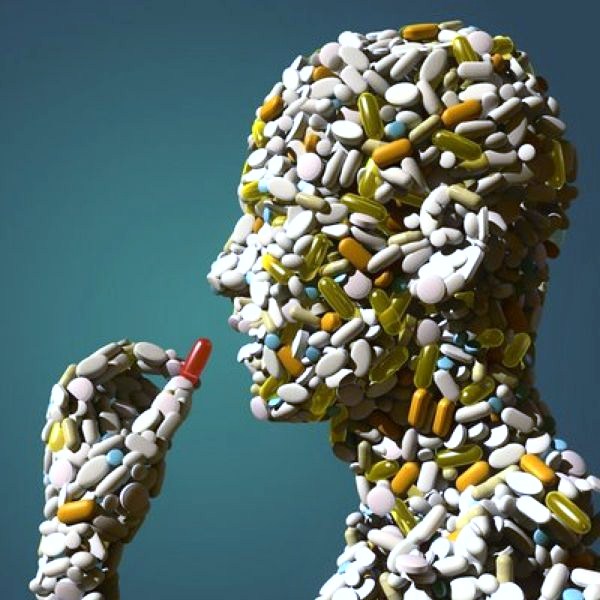
Your good health translates into zero profit for the pharmaceutical industry. General well-being of the public and cures for disease would mean the collapse of the pharmaceutical industry since they must have illness to have demand for their drugs, in order to exist. This is the truth that drives political corruption, mandating of vaccines, control over the healthcare industry, and efforts to destroy natural health companies and practititioners.
But to accomplish and sustain your ill health, the pharmaceutical industry must confuse people about the source of good health, make sure there is no access to what people actually need to be well (including information), and keep the public perpetually frightened of diseases and their risk of dying.
The pharmaceutical industry works especially hard to keep the public from knowing two things, a central one about people’s biology, and a central one about their drugs:
1. People are blessed with an immune system which does a phenomenal job day in and day out in protecting them, and in helping them get well if they become ill. Their being well does not depend on luck. People get cancer, for instance, many times over their lifetime but naturally shrug it off because their immune system is designed to do just that.
2. Most drugs do not “cure” disease or support the functioning of the body (insulin is an exception) but only mask symptoms. Antibiotics kill pathogens but they simultaneously wipe out people’s immune system.
Both things concern the immune system and are in serious conflict: people’s immune system is what keeps them healthy and most of what the pharmaceutical industry has to offer messes it up. Those two facts are not selling points for the industry.
So, the less the public knows about how their body works, the less they trust their own bodies, the less they are able to support it in functioning optimally, the better for the pharmaceutical industry. That is, the more afraid and helpless people feel, the better . So, the industry works to create myths that keep the public anxious.
You are just lucky to be healthy (so far);
You have only avoided disease “somehow”;
You are vulnerable at every moment;
You are harboring disease you just don’t know about yet;
Your genetics have condemned you to whatever you may “get”;
Infectious diseases are terrifying and deadly, can crop up at any time, and are getting worse by the year;
Natural food supplements are not only worthless but dangerous;
Staying or getting well is terribly complex, dependent on extensive testing and medical expertise; and
You can’t live without industry’s expensive drugs and vaccines.
Rubbish. Nonsense. Hogwash. Fiddle-faddle.
When it comes to chronic or infectious diseases, what the industry doesn’t want people to realize is that they come naturally equipped with an ideal means of staying well – an immune system that runs on automatic pilot – and that they can stay well or get well, simply and cheaply on its own.
So, how does this miraculous immune system work? What does it consist of?
Bacteria. Lowly bacteria!
Seventy to eighty percent of the immune system is in the gut and it consists of friendly bacteria. People are dependent on those friendly bugs and stay well primarily thanks to them and the work they do for free. A Yale study lionizes those very bacteria for helping prevent type 1 diabetes and questions whether people haven’t overdone hygiene since the body needs to be challenged to be strong.
For most people, thinking of bacteria as positive constitutes a major paradigm shift. Everyone has been endlessly schooled in the dangers of bacteria and along with that accepted their own vulnerability, their dependence on pharmaceuticals to protect themselves, and a randomness about getting sick (one can lose this bacteria battle at any moment and for no reason). To take in the opposite, that people are not only helped by little bugs but are accompanied by them as they busily protect their host, is quite an overturning of thinking. But it is the shift that allows people to see that they don’t need to be afraid and that chronic and infectious diseases are not some random attack from outside but are related to a weakening of the immune system (or a threat to the good little bugs inside).
To bury the fact that lowly bacteria is everyone’s friendly and potent protector, the pharmaceutical industry continues to do all it can to teach people to fear bacteria, to even be terrified of it, and to encourages people to do everything in their power to avoid or get rid bacteria through intense, even sterilizing, hygiene. Thus the growth in sales of antibacterial soap and hand sanitizers and all the ads for kitchen and bathroom cleaners showing bacteria being wiped out. There is even an ad of a child reaching to touch his sibling in the back seat of a car, with creepy green “germs” growing on his hands. What great fear. Sterilize the kid.
“But what about pasteurization?” you ask. “Didn’t that protect people by killing bugs?”
Yes, but then again, no. Yes, it protected people from abnormal bugs that resulted from the abuses of industry in producing milk. Milk was first pasteurized in order to deal with contamination of milk from dairy cows brought into large cities by industry, fed brewery waste and forced to live under filthy, unnatural conditions. That is, pasteurization was used for milk coming from cows forced into the first CAFOs (confined animal feeding operations). Pasteurization was an industrial process used to kill off dangerous bacteria resulting not from normal milk but from industry’s unclean processes. But no, because at the very same time, unpasteurized milk from normal dairy farms, full of living good bacteria, was so valuable that it was being used by the Mayo Clinic and others to treat diseases. http://bit.ly/6HoC1d
Blurring that distinction in types of bacteria is where industry tricks the public. Normal bacteria is not dangerous but needed.
Natural vs. Chemical
Industrial bacteria from sordid industrial dairy conditions, on the other hand, needed to be gotten rid of through pasteurization because it was dangerous. Industry spun that to their advantage, however, casting pasteurization as a special good – and necessary for all milk – and then worked to change laws across the country to force raw milk dairy farmers whose milk was perfectly safe and still living, to comply. This was not about the safety of the milk but about trapping those dairy farmers into a corporate milk system in which they could no longer sell their living milk directly to customers, but had to sell to middle men who pasteurized the milk until the vital bacteria was dead, and got their assured cut in doing so.
Raw milk dairy farming still exists (the Amish have never stopped producing it) and is making a comeback as more dairy farmers take it up as the only growing segment of the dairy industry, with people buying it for its good taste and health benefits. Industry is now doing all it can to end that completely. Using the false idea that pasteurization is necessary to make all milk safe, they are demanding regulations to enforce pasteurization for raw milk dairy farmers’ milk. This, of course, destroys raw milk, but that’s goal since those farmers offer healthy product (one that greatly supports the immune system) as well as independence for themselves and their customers from corporate control. Both are intolerable to agribusiness and the pharmaceutical industry. http://bit.ly/6Jh15M
Twisting of science – comparing healthy milk to industry’s rotten milk, and natural substances to man-made synthetic ones – is the pharmaceutical industry and the FDA’s means of attacking all natural products. They want to make the little guy who sells natural things that are particularly healthy, go through absurdly inappropriate industrial processes which are only needed to kill off industry-caused pathogens but which kill the value of the natural product. That finishes the little guy and his wonderful product.
Industry also insists that natural supplements can make no claims to health whatever, even if they have studies supporting those claims. Why? Because what other way can they deal with products which actually can make people well, cheaply, and can’t be patented? Cherry growers had a study done that showed cherries are potentially 10 times stronger than aspirin, tylenol and other non-steroidal anti-inflammatory drugs (NSAIDs). Now, for the drug companies and FDA that’s not good news, that’s a threat. The only way they could come at that was to keep the producers silent about the value of cherries, which they did, while doing nothing about the thousands of people who die each year from NSAIDS. Natural substances really stick in the craw of the pharmaceutical industry because they are a gift from nature, bypassing corporate control and getting rid of profit-making illness. They are biologic substances tested as safe by human beings for thousands of years – and were the original basis of pharmacology itself. They are so valuable that drug companies, which criticize them at every turn, are meanwhile seeking to patent their (supposedly worthless) properties.
Criminalizing Nature for Chemical Profits: S 510
With a bill in Congress (S 510) meant to wipe out natural supplements, the pharmaceutical industry has been using its influence with media to put out stories against those supplements. The Boston Globe slams a law that distinguishes food supplements from drugs and the AP puts out a series attacking natural health practices. And in the midst of a suspect swine flu which is more and more thought to be bioengineered during Bush’s time in office, the pharmaceutical industry has the FDA warn health stores and websites they may not even have sections labeled “cold” or “flu” or use those words in recommending supplements to people. That is, no one is supposed to know that supplements can help them stay well or get well on their own, or discover how unnecessary vaccines are in the first place if one’s immune system is kept strong, because that would interfere with selling billions in vaccines that many do not want or need.
There are two worlds here. One is natural and provides or supports the good bacteria which is the primary basis of everyone’s immune system (or health). The other is industrial, synthetic, often GMO, and generally (usually greatly) destructive of people’s immune system (and thus, simply put, unhealthy).
People need only understand bacteria keeps them healthy to no longer fall for industry’s “food safety” scares about bacteria because they can see the distinction between good and industrial bacteria and choose food accordingly. Real “food safety” protects good bacteria. It protect farmers who produce products full of good bacteria. It stops industry from inflicting industrial demands and processes – pasteurization, irradiation, antibiotics, etc. – on farmers’s living food products because they contain the good bacteria which make food itself valuable to begin with. Once people recognize they have good bacteria on their side, they will appreciate how it differs from dangerous industrial bacteria from contamination. They will also learn over time that vaccines, drugs, antibiotics, radiation, pasteurization, GMOs, all hurt the little bugs and realize the importance of protecting them.
Drug companies live by the law of industry: profit or perish. The laws they lobby for are worth looking at closely since it suddenly becomes apparent why these corporations cannot ever be on the side of public health. Health is worth literally nothing. Sickness, side effects, and diseases, though, are bonanzas.
Friendly bacteria is the true basis of good health, just as a soil rich in microbes is the true basis of good food. With a strong immune system, people can avoid or recover from chronic and infectious diseases and don’t need to be perpetually afraid. Health is simple – it comes from healthy living food. In knowing this, people are in a good position to stop industry legislation (S 510) that falsely implies all food is dangerous, and that sterilizing living food is “food safety.” We are now in a good position to insist the FDA stop threatening free speech about safe natural supplements, and instead demand that they go after the pharmaceutical industry’s synthetic drugs that routinely kill 100,000 people a year.
Subscribe to:
Posts (Atom)

